
The last few days have been quite stressful for me. The kids are officially on holiday now — which basically means 24/7 energy at home. I tried to create a flexible routine for them during this break: finishing their homework, reading books, a certain amount of device time, and some free time where they can simply play and enjoy themselves.
But as many of you can imagine, a house with three sons is rarely calm — routine or not. The noise, the running, the endless conversations, the sudden fights… it can feel overwhelming.
At the same time, my new semester has just started. I’ve been assigned multiple assignments, and most of the deadlines fall during their vacation. So while they are on break, I’m juggling academic pressure alongside full-time motherhood.
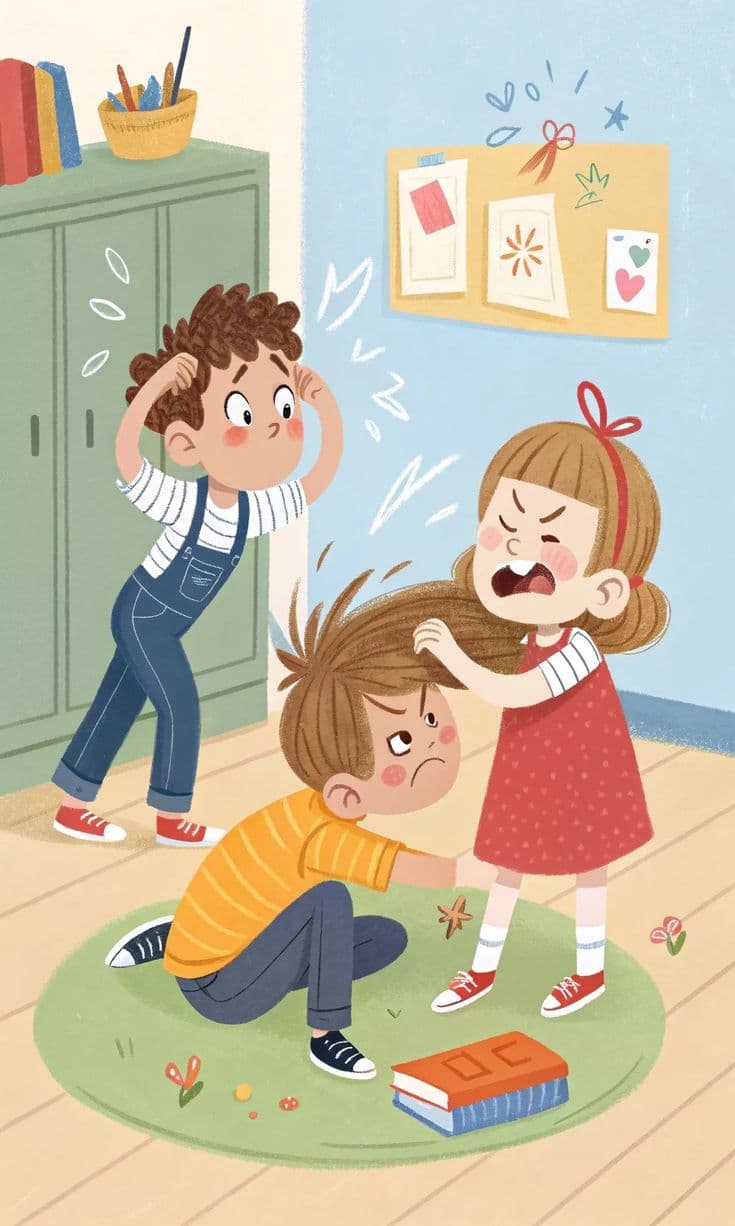
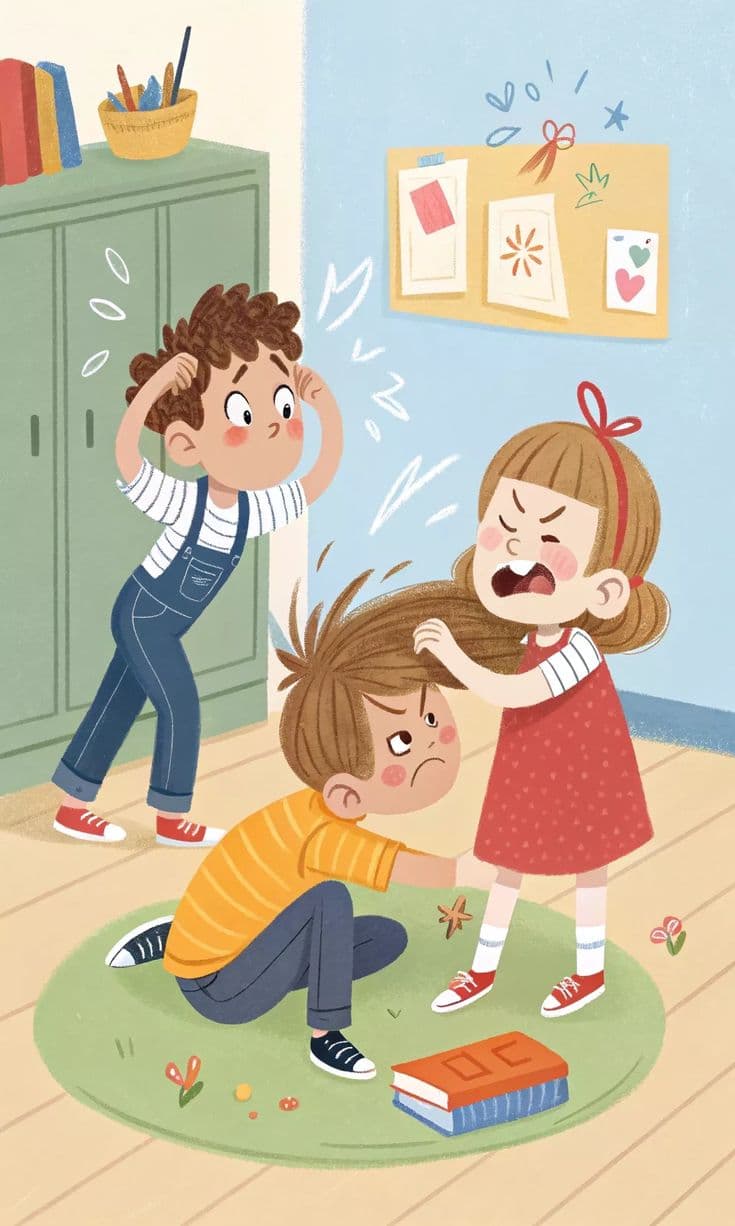
And of course, their favorite pastime seems to be fighting.
Almost every disagreement ends with someone crying, someone hurt, and everyone blaming each other. Each one comes to me with their version of the story. Staying neutral in those heated moments is not easy. I genuinely try to stay calm and guide them to solve it among themselves.
But yesterday, I couldn’t. When two of them came complaining again, something in me snapped. I raised my voice and said, “You guys take turns stressing me out, and you don’t even care about my feelings.”
The moment I said those words, both of them started crying even louder and said,
“Ma, we love you. We care about you.”
That moment hit me deeply.
Later, I went back to them and apologized. I told them I was wrong to yell. I told them I am still learning too.
And this incident made me reflect on something very important.
When our mood and happiness constantly rise and fall based on our children’s behavior, they slowly begin to equate love with performance.
“If Ma is happy, I am good.”
“If Ma is upset, I am the problem.”
They may start believing that they are responsible for managing or preventing adult distress. But that is an emotional burden far beyond their developmental capacity.
To avoid upsetting us, they may hide their feelings. They may suppress their needs. Over time, this can show up as withdrawal, people-pleasing, or difficulty expressing emotions. They may grow into adults who avoid conflict and feel responsible for everyone else’s emotional state.
This doesn’t mean we are bad parents if we get angry. Anger is human. We are human.
But it does mean we need awareness. It means learning to manage our own frustrations instead of unconsciously placing that emotional weight on our children.
It means normalizing age-appropriate behavior — noise, mess, sibling conflicts, big emotions, and mistakes.
I know this is not easy. I live through these moments almost every day. I make mistakes. I reflect. I repair.
And maybe that is the real work not being perfect, but being aware.
Slowly, with consciousness and intention, we can break the cycle. One reaction at a time.
⚜️If this resonates with you, repost it to spread the message 🙏🏻